Affordability. Safety. Service.
Rajee's campaign is focused on three responsibilities that affect residents every day: keeping Guelph affordable, making our neighbourhoods and downtown safer, and ensuring City Hall delivers reliable service with clear accountability.
Respect every tax dollar — and make it easier to build a life in Guelph.
Affordability is about more than a tax bill. It is also about housing, transportation, local jobs, municipal fees and whether residents receive good value for the services they already pay for.
Rajee's direction
- Review City-controlled spending and service performance to identify duplication, inefficiency and opportunities to deliver better value while protecting essential services.
- Make the budget easier to understand with plain-language explanations of major increases, what the City controls and what comes from separately governed boards and shared services.
- Speed up housing approvals responsibly by setting clear service expectations, improving application tracking and reducing avoidable delay while maintaining safety and planning standards.
- Use municipal planning, zoning and infrastructure tools to support more housing choices for young families, renters, seniors and residents looking to downsize.
- Make Guelph easier to do business in by reducing unnecessary friction in municipal processes and supporting investment, entrepreneurship and job creation.
- Advocate for provincial and federal funding arrangements that reflect Guelph's growth and the pressures placed on local services.
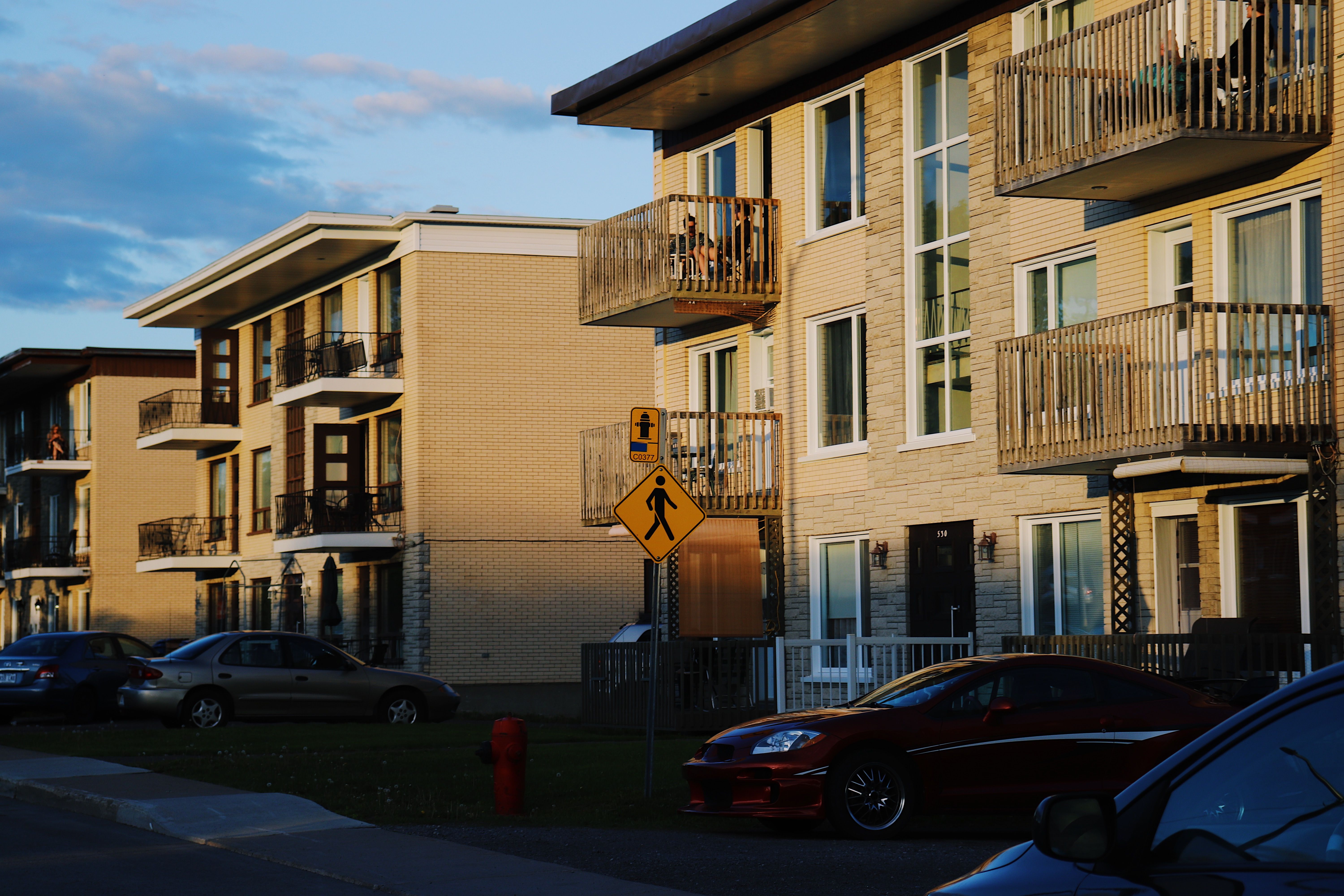
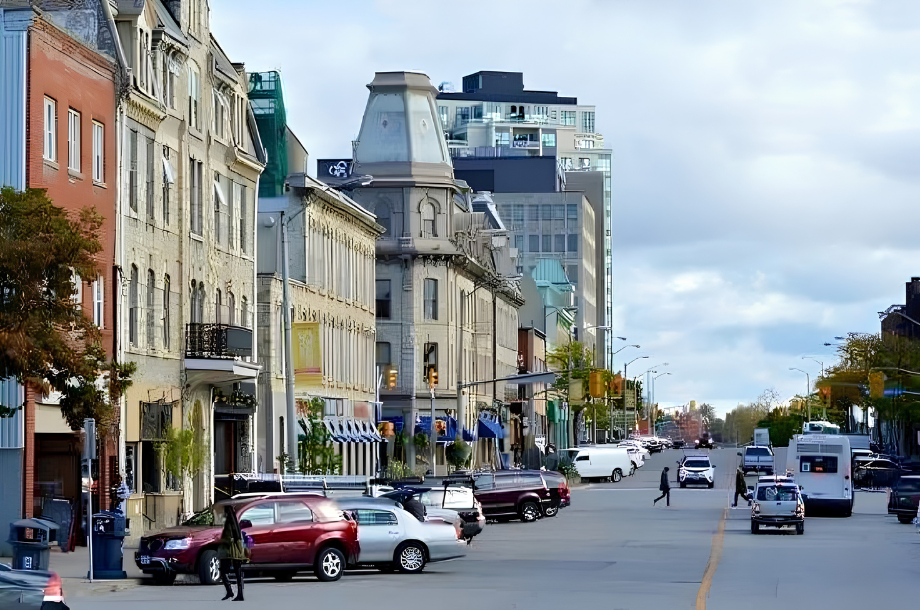
Safe neighbourhoods. A downtown people want to use.
Public safety requires more than one department and more than one solution. It means taking crime and disorder seriously while coordinating policing, by-law enforcement, emergency response, prevention, outreach and the health and social-service partners responsible for complex community needs.
Rajee's direction
- Use verified local data to focus resources on recurring problems, repeat locations and measurable outcomes.
- Strengthen downtown coordination between police, by-law, businesses, outreach providers and other community partners around clear operational priorities.
- Take recurring property crime seriously through prevention, reporting, data sharing and targeted enforcement where patterns show persistent problems.
- Keep parks, transit areas and downtown public spaces safe, welcoming and usable while treating people experiencing homelessness, addiction or mental-health crises with dignity.
- Support prevention through youth programs, community partnerships and better environmental design that reduces opportunities for crime.
- Be clear with residents about which decisions belong to the Mayor and Council and which are governed by police, health agencies, Wellington County or the Province.
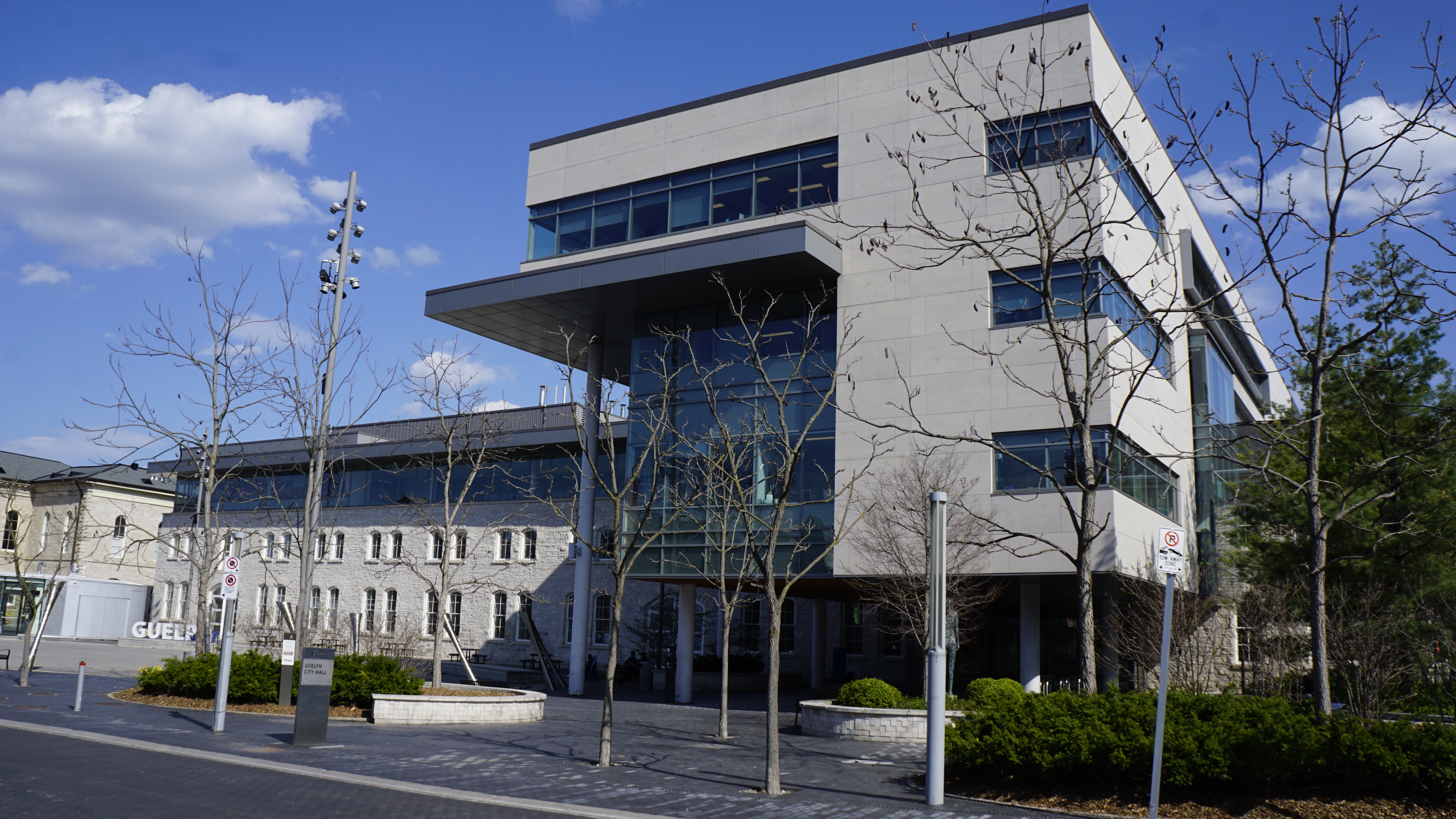
City Hall should be easier to deal with.
Residents should not have to understand the City's organization chart to get a straight answer. Businesses should not have to chase multiple departments to learn what happens next. Good local government should be responsive, reliable and easy to navigate.
Rajee's direction
- Set clear and realistic service standards for common resident and business requests.
- Make it easier to track a request, know who is responsible and understand when the next update should arrive.
- Publish a simple public performance dashboard so residents can see whether major service standards are being met.
- Reduce unnecessary hand-offs and strengthen one-point-of-contact approaches for complex applications and recurring service problems.
- Report back regularly on what improved, what did not and what City Hall is doing next.
- Measure service by quality, reliability, cost, accessibility and resident experience — not speed alone.
Other priorities through the same lens
Housing, infrastructure, transit, seniors, local business and open government all connect back to affordability, safety and service.
Housing & growth
Support more housing choice, more predictable approvals and infrastructure planning that keeps pace with a growing city.
Jobs & local business
Make municipal processes easier to navigate for entrepreneurs, employers and investors while protecting the standards that make Guelph a great place to live.
Seniors & health advocacy
Use the Mayor's office to advocate for the health-care capacity Guelph needs as the city grows, including hospital planning and stronger support for an aging population.
Transportation & infrastructure
Prioritize reliability, maintenance, safety and long-term value across roads, transit and the infrastructure residents depend on every day.
Parks & neighbourhoods
Protect the quality of parks, trails and neighbourhood public spaces as Guelph grows, with investments guided by use, need and measurable community benefit.
Open government
Explain major decisions clearly, publish performance information and create regular opportunities for residents to question the Mayor directly.